
Let’s Get Gardening!
Have you been able to figure out what kind of winter we are going to have, based on what the weather people are saying? I have to admit that I am confused. First, they said it was going to be a really cold winter, but not too much snow. Now, they appear to be saying that it will be slightly warmer than average, and we’ll have above-normal precipitation. I wish they’d make up their minds! Though, I’m not sure why I care – it’s not like I can do anything about whatever we get.
Jennifer
In this month’s issue of Let’s Get Gardening
Subscribe to our monthly newsletter for seasonal gardening advice and recommendations for your garden, yard, and bird feeding.
In this month’s issue:
Did you get some stuff done in your yard over the weekend – in between the rain on Saturday and the suddenly blustery chill on Sunday? I did, but of course not enough! Fortunately for me (and maybe you, too?) next weekend looks like it will be a little nicer – chilly, by our standards lately, anyway – but no rain or even snow forecasted so far. That’s a good thing, because there’s always more to do outdoors:
Vegetable Garden:
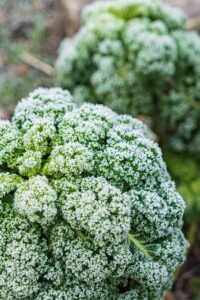
- If you’ve been hanging on in the hope of getting just a little more out of your garden, frosty that’s mostly going to come to an end after the predicted freezing nighttime temperatures this week. Kale, cabbage, and broccoli may last a little while longer but most everything else isn’t going to make it past about Tuesday.
- Some of the things that you can leave in the garden over the winter, because they are hardier, include root crops such as carrots, radishes, turnips, etc.
- It’s my favorite time of the year now – because it’s not only time to plant garlic for next year, but I’m also still enjoying eating the garlic I harvested this year (and will be well into winter). Varieties that are planted in the fall do best in our region – the overwintering helps them get bigger.
- You can also plant peas and spinach at this time, to take advantage of the tendency of both of these to come up early in the spring. Again, mulch them really well once the ground is frozen. I have found that spinach actually does better for me if I plant it now, than it does when I plant it in the spring.
- Clean out any weeds that are still hanging on in your garden. Pulling weeds out of the garden now will help cut down on what you have to do in the spring.
- Add compost to the garden to help improve the soil and add nutrients, and consider sowing a cover crop, such as annual rye, to help prevent erosion and to add organic matter and nutrients back into the soil in the spring.
Flowers:
- If you haven’t yet, it really is time to pull out any left-over summer annuals. They’re not going to last through the freezing temps the next few nights, unless you have the ability to bring them inside – but even that won’t make them last a whole lot longer, as our daytime temperatures are going to get to get to be too cold for them soon, too. Compost them, as long as they are not showing any signs of disease.
- Once you’ve emptied out containers, store them somewhere where they will be out of the weather for the
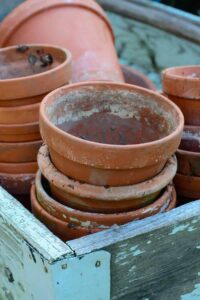 winter. You can leave them outside over the winter, if you take some precautions to keep them from filling up with water, freezing, and cracking – but they will last longer if they are moved into a shed or garage, where they can be out of the weather altogether.
 - Most potted mums are pretty well finished now too and can be composted.
- Just as with the veggie garden, remove weeds from your flower beds to give you a head-start on next spring.
- Once the soil has cooled down, add a layer of fresh mulch to your perennial flower beds to help protect the plants’ roots from frost heave this winter.
- Plant spring-blooming bulbs now. Alliums, crocus, daffodils, hyacinths, muscari, and tulips can be planted all the way up until the ground is frozen, but doing it now gives them a chance to get some good root growth going while the soil still has some warmth.
- If you’ve had problems with creatures digging up your tulip bulbs in the past, try mixing them up with some baby powder in a bag (think “Shake-n-Bake”) before you plant them. Squirrels and such don’t like the smell of baby powder, so it might deter them.
Trees and Shrubs:
- The only pruning of trees and shrubs that should be done between now and about February is to remove dead or damaged branches.
- While the ground is still soft, put up stakes that you’ll use to attach burlap to for wind barriers around evergreen trees and shrubs.
- Evergreens, as well as deciduous trees and shrubs, will do better with some protection from a number of things they can encounter in the cold months.
- One of the things I usually recommend at this time of year is to keep your hoses handy so that you can water newly planted trees and shrubs all the way up until the ground freezes, as moist soil is one of the best ways to help them get through the winter.
- As with your flower beds, adding a layer of fresh mulch to trees and shrubs is important to help them get through the winter.
Lawn and Leaves:
- Lawns are probably just about done growing for the season, with the onset of colder temperatures. If you haven’t mowed recently though, you might want to do one final mow before you put away the equipment.
- It’s also not a great idea to leave whole leaves on your lawn all winter long. So, while you’re doing that last mowing, use your mower to shred the leaves and mulch them into the lawn, instead of raking them up – it’s better for your lawn, and for your back!
Tools:
- When you’re all done with your garden clean-up, there’s still a little bit more to be rusty tools done: clean,
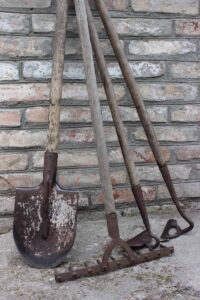 dry, sharpen, and lubricate your garden tools before you put them away so they’ll be ready to get right to work in the spring.
 - Empty your hoses, roll them up, and tie them before hanging them up for the winter. I like to connect the ends of each hose to keep spiders from using them as nesting places. I also like to put my sprinkler heads and wands all in one place, so I don’t have to remember what I did with them come spring. A small trug (one of my favorite garden tools!) or bucket works well for this.
Here are more great tips on taking care of your tools at the end of the season.
Birds:
- Leave your birdbaths out and filled as long as possible. Many birdbaths can’t take being out in freezing temperatures, but you can still fill your birdbaths up during the day, and dump them out in the evening, until daytime temps start going below freezing.
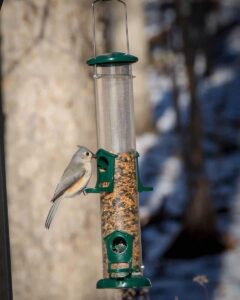
- If you don’t feed your birds year-round, from now to next spring is the best time to do so. While birds rely mainly on insects during the summer, seeds and berries become the main source of food in the winter for most birds. Providing an easy source of food for them will help them get through the cold days and nights of winter, and lets you enjoy their antics at the feeders, too. Just remember to clean the feeders regularly to help prevent the spread of disease.
More info on all of these tips can be found in our monthly newsletter: Read the November 2021 issue of Let’s Get Gardening
Happy Gardening!

Chelsea’s 16th Annual Wine, Women & Shopping
Friday & Saturday, November 12th & 13th
Join us at The Garden Mill, where you’ll find fun, new holiday decor items to deck your halls – including ornaments, wreaths, lights, pillows, figurines, and more. Gather great gifts for everyone on your list. Look for special discounts, and enter our drawing for a Garden Mill Gift Certificate.
Open both days from 10am to 8pm.
Get more details about the event at shopchelseamich.com
Store News & Specials
$10 off $50 purchase coupon