
Let’s Keep Gardening!
September is one of my favorite months – I love the cooler temperatures, but there’s still lots of daylight and sunshine to enjoy time in my gardens! It’s also a time when there is lots to do in the gardens, so it’s a good thing the days are still a little longer.
Jennifer
In this month’s issue of Let’s Get Gardening
Subscribe to our monthly newsletter for seasonal gardening advice and recommendations for your garden, yard, and bird feeding.
In this month’s issue:
I have to admit that I was not very good about following my own advice this year. I kept meaning to spray my vegetable plants with fungicide early in the season, but kept not getting around to it, except occasionally. Because of this, my cucumbers have given up the fight against downy mildew, my zucchini and yellow squash are probably not going to produce anything more due to powdery mildew taking over, and I am holding out hope that my tomatoes ripen before the bacterial spot they acquired takes them down completely. If only I had listened to myself, I might have gotten more from all of them, as there is still plenty of good weather ahead of us. Sigh.
Here’s what I recommend you do in your yard and gardens this month, even if I don’t – though I will really try:
Lawn
- As the weather cools off, it’s a great time to fill in bare spots in the lawn. To fill in your lawn’s bare patches,
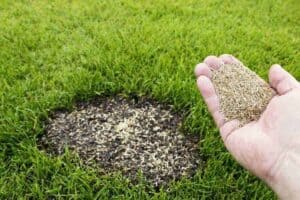 start by raking away any dead grass and roots, and then sprinkle some seed in.
 - De-thatch your lawn, if necessary. This is something that most people don’t do, and probably should, if they want a really good looking lawn.
- Fertilize your lawn in the early fall (mid-September is generally a good time), to encourage good root growth before winter.
- Continue to mow, but don’t cut it too low. Your grass needs a little bit of height to help insulate the roots during the winter, but don’t stop mowing and leave it too long either.
- Rake up the leaves that fall. Leaves left lying on the lawn can also promote snow mold disease, so rake them up and use them as mulch or add them to your compost pile.
Vegetable Garden
- It’s not too late to get in a last planting of some things in the veggie garden, like fast-growing baby leaf lettuces and radishes. But do it by this weekend, so that they have time to produce before we starting getting frost.
- You can also plant things like spinach and kale, but you will definitely need to keep row covers handy (or plant them in a cold frame) as we head into October. Kale can take some pretty good frosts, but only if it is already pretty mature at the time.
- Keep picking what you have. I am still getting lots of beans, tomatoes, and peppers, along with herbs. Most herbs can be chopped up and frozen for “fresh” herbs all winter long. I wash and dry them thoroughly, then chop them and put them into zipper bags, squeezing out all the air before putting them into the freezer.
- Drying your herbs is also a good way to preserve them. Simply hang them upside down in a dry area until they are completely dry.
- Towards the middle or end of the month, consider sowing spinach seeds in your garden for harvest next spring. Spinach will overwinter and treat you to an early crop as spring warms up.
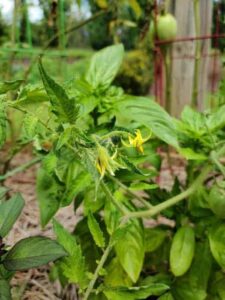
- If you still have tomato plants going strong in your garden, it’s a good idea to pinch off new flowers at this time (this goes for peppers and eggplant, too).
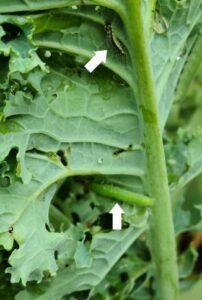
- Keep an eye out for pests in your garden still – they won’t generally go away until the weather changes, and if you want to get the most out of your garden, you want to keep them under control. I have had one heck of a time with caterpillars eating my kale. I have yet to actually eat any of the kale from my garden because they keep getting to it first!
- If you are growing winter squash, keep spraying with an organic fungicide all the way up to harvest. You will want to cover these plants up if we get any frost before the fruits are ripe – even though they are called winter squash, they don’t do well with frost.
Flower Garden/ Trees & Shrubs
Early fall is a great time for planting perennials, trees and shrubs! The cool weather lets them get going without the stress of the heat of summer, but there is still enough warmth for them to get roots established before winter sets in. Some other things to do for your flowers, shrubs, and trees:
- Dig up tender bulbs, such as dahlias, cannas, and gladiolas around the end of the month – before we get any heavy frost.
- Divide and replant (or gift them to friends) perennials that have outgrown their space or are looking a little bare at the middle.
- Replace warm-weather annuals with cool loving ones, like mums, asters, and pansies for beautiful color well into the cold weather season.
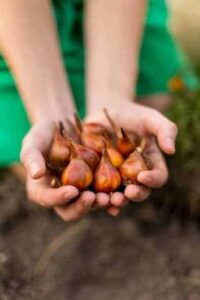
- Plant spring bulbs such as tulips, daffodils, crocus, and alliums around the end of the month or early October, depending on when we get our first frost.
- After we have gotten some frost (and this may be an early October chore, rather than September, but you never know in Michigan), add mulch to your perennials, trees and shrubs to help protect them from the freeze-thaw cycles we tend to get in the winter.
- Stop fertilizing trees and shrubs so that they don’t put out new shoots that will be too young and tender to withstand winter’s cold.
- Don’t prune any shrubs or trees at this time for the same reason – it promotes new growth that doesn’t have enough time to harden off before winter.
- Don’t stop weeding now! The more weeds you get rid of now, the fewer you’ll have next spring. Letting annual weeds go to seed means those seeds will pop up next year, and you’ll have even more weeds to deal with.
Fall is also an important time for our feathered friends!
- Clean out bird houses to get rid of pests and debris. Some birds will use houses left out in the winter for shelter during cold nights, so consider leaving them out all winter.
- If you haven’t been feeding the birds all summer, now is the time to start up again. Lots of birds are on the
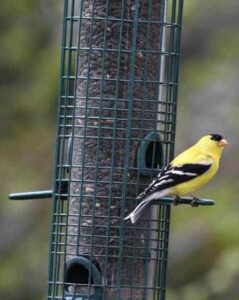 move – migrating through on their way to their winter hang-outs – and can use as much additional food as you care to give them for their journey.
 - For the same reason, keep your birdbaths out, cleaned, and filled until we get heavy frosts (or beyond, if your birdbath is freeze tolerant).
- Also leave your hummingbird feeders out until well into October to help those guys make their long journey.
Happy Gardening!
Store News & Specials
$10 off $50 purchase coupon
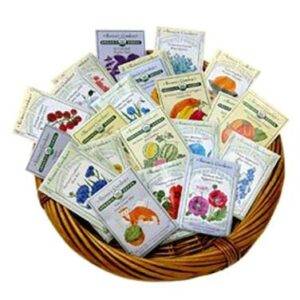
Buy two packs, and get a third pack free!
In-Store Only, while supplies last.
*discount applies to lowest-priced item