
Let’s Get Gardening!
Do you remember the “Pushmi-Pullyu” creature from Doctor Doolittle? It was supposed to be a cross between a gazelle and a unicorn, and it had two heads (though in the movie version of my youth, it looked more like a two-headed llama). One of the creatures in the Doctor’s group of animals, upon meeting the creature for the first time, asked “but how does it make up its mind?” I feel that way about the weather right now. We’ve already seen a couple of nights when the temperature has gotten down into the 40s this week, and I’m not sure that the daytime temperature on Wednesday even made it out of the 60s. By Sunday, and into early next week, we are expecting 90s – and the low for Tuesday night next week will be about the same as this past Wednesdays’ daytime high! September’s weather is often a “push-me-pull-you” dance, but this is just silly! I wish it would make up its mind.
Jennifer
This month’s issue of Let’s Get Gardening
Subscribe to our monthly newsletter for seasonal gardening advice and recommendations for your garden, yard, and bird feeding.
Regardless of the crazy weather, September is truly one of my favorite gardening months. It’s a great time for planting perennials, trees, and shrubs. Our cool-weather vegetables get a second season this month and next, and there are a number of things you can do this month to get your lawn in great shape for spring. Since it’s usually a little cooler than the summer months, it’s also a great time to be outside. What more could a gardener want?
In the vegetable garden:
- Early September is the time to plant leaf lettuce, spinach, and radishes (and possibly some beets and carrots, if you get them in now) for a fall harvest. You can extend your garden season a great deal with
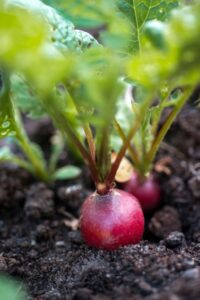 these plants – since they are quick to mature, they will be ready to pick before we get much cold weather. But make sure you have row covers handy as we head into October.
 - Plant garlic this fall, but not too early. In Michigan, the best garlic gets planted in the fall, after the first couple of frosts, for harvest the following summer. We will have planting garlic available at the store in a couple of weeks (keep an eye on our Facebook Page – we’ll post a notice when it’s in).
- Pinch off any new flowers on tomatoes, peppers, and eggplants. Flowers that are forming now are not going to have time to mature before we get our first frosts, and leaving them on the plants means that your plants are spending unnecessary energy on growing those, when they really should be using all their energy to mature and ripen the fruit that is already there.
- Pull any plants that have finished producing and compost them – but don’t compost diseased plants. Our winters are generally too cold for compost piles to get warm enough to kill off diseases, and if you use the compost in your garden, you risk bringing those diseases back into your garden to infect next year’s plants.
- Don’t stop spraying your tomatoes, cucumbers, squash and beans with fungicide. With the considerable rain we got in August and the cooler temperatures ahead, if you haven’t already seen signs of disease, consider yourself lucky, but don’t be surprised if you do soon.
- Are you seeing black spots on your basil leaves? Those aren’t likely disease, but a reaction to the cooler
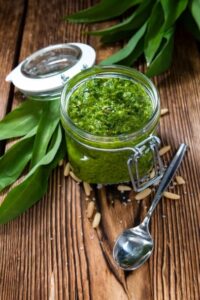 temperatures we experienced overnight recently. Basil is a truly warm-weather plant, and really doesn’t like temperatures below 50°. Pick off the leaves with spots, and use row covers to help keep the temperature around your plants a few degrees warmer when the temps are expected to go below 50. Once the temps are consistently dipping into the 40s, it’s time to pull what’s left and use it in your favorite recipes, dry it, or make pesto for later use.
 - Most other herbs in your garden will last a while yet, but you can also easily dry those any time, and freezing most herbs is also an option. To freeze, simply wash and dry them thoroughly, then chop and put into zipper bags, squeezing out all the air before putting them into the freezer.
Flowers, Trees, and Shrubs:
- Our recent storms left a lot of damaged trees in their wake. If your trees were among them, make sure you trim off any broken branches or limbs to prevent further damage to your trees. Generally, the best time to trim trees is in the winter, when they are dormant, so that you don’t risk attracting insects (and disease) to wounds. The exception to that rule is when you have damaged or dead branches. Broken branches and limbs left dangling can cause more damage to your trees if we get more storms, or when ice or snow weigh them down over the winter.
- September is a great time to plant new perennials, trees, and shrubs. Take advantage of the sales many garden centers have at this time of year, and get plants in early so that they have time to get their roots
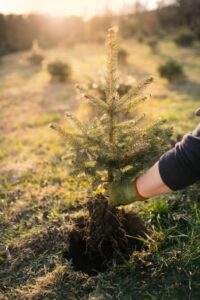 established before cold weather sets in. Until the ground freezes, be sure that your new plants are getting plenty of water – either from Mother Nature or you – since the roots are not very good at taking water up from the soil until the plants get well established.
 - If your container plants are starting to fade, pull them out and replace them with fall plants, such as mums, asters (September’s official flower), and pansies. We will have mums start to come in over the next couple of weeks and asters and pansies will be ready shortly after that, according to our local growers. Ornamental cabbage and kale also make great fall displays and should start coming in about the same time as the mums. One thing to keep in mind with mums – if you want them to last into the fall, don’t buy fully flowering ones too soon.
- Fall-planting bulbs will start to come into the store mid-month this month, with others arriving in early October. Plant spring-blooming bulbs such as tulips, daffodils, crocus, and hyacinths after we’ve had a couple of frosts, but before the ground is frozen. Don’t forget to add bone meal when planting bulbs, to encourage root growth.
- As it cools down, and perennials start to fade, it’s a great time to divide and transplant those that have outgrown their space or started to get thin at the center.
- If you put house plants outside for the summer, treat them with a pesticide meant for indoor plants before bringing them back inside. A few pests now can turn into an invasion in short order, and nobody wants that in their house!
Lawn:
- September is a good month for getting your lawn in shape. One task to get done this month is to fill in
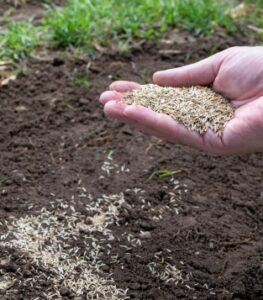 bare spots on the lawn by overseeding.
 - De-thatching your lawn is also a good thing to do now. Penn State University’s Extension Service published a thorough article earlier this year on what thatch is and how to deal with it.
- With our unusually rainy August, lawns really shouldn’t be showing patches of brown now – at least not due to the dry conditions that we usually see in August. If you have patches of lawn that are still brown when the rest of the lawn looks good, it’s possible that you have a pest problem.
- If you only fertilize your lawn once per year, now is the time to do it, to encourage good root growth before winter. If you fertilize throughout the season, a September application should be your final one for the year.
- Continue to mow your lawn while it’s growing, which will be the case until we start getting significant frost. The Michigan State University Extension Service’s “Smart Gardening” program suggests mowing to a height of between 3.5” and 4” for the best protection against weeds and grubs.
Birds:
- Some overwintering birds will use houses left out in the winter for shelter during cold nights, so consider leaving your bird houses out all winter long. Clean out leftover nesting debris now to give them room for roosting over the winter, but remember to clean the houses out again in the late winter, before nesting birds come looking for a new home in the spring.
- Lots of birds are on the move now, both coming here for the winter from further north and going south after having spent the summer here. If you haven’t been feeding all summer, start putting out food now to
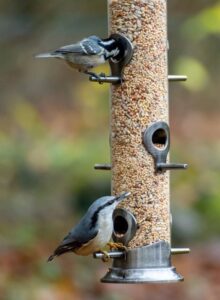 help them with their journey. Migrating birds spend a lot of energy looking for things to eat in the wild, and the extra energy they get from your food offerings can make the difference in their ability to make it all the way to their winter home.
 - Also keep your birdbaths out, cleaned, and filled until we start to get freezing temperatures. You can leave your birdbath out all winter long if it is freeze tolerant or you use a de-icer.
- Leave hummingbird feeders out until well into October to help those beauties make their long journey. Most of the hummers that have been visiting feeders around here all summer will be gone by mid- to late-September, but others that spend the summer further north may still be making their way south as late as October and will be grateful for the offering.
- Have you ever seen Chimney Swifts chattering and diving about in the evening? If not, you’re missing out on a great show – they’re a lot of fun to watch! Unfortunately, these beautiful birds have been in decline for years. Fortunately, Chelsea has a swift roosting spot at the old post office at the south-west corner of Main and South streets – now home to Ann Arbor Pediatric Dentistry.
Read More
More info on all of these tips can be found in our monthly newsletter: Read the full September 2023 issue of Let’s Get Gardening
Happy Gardening!
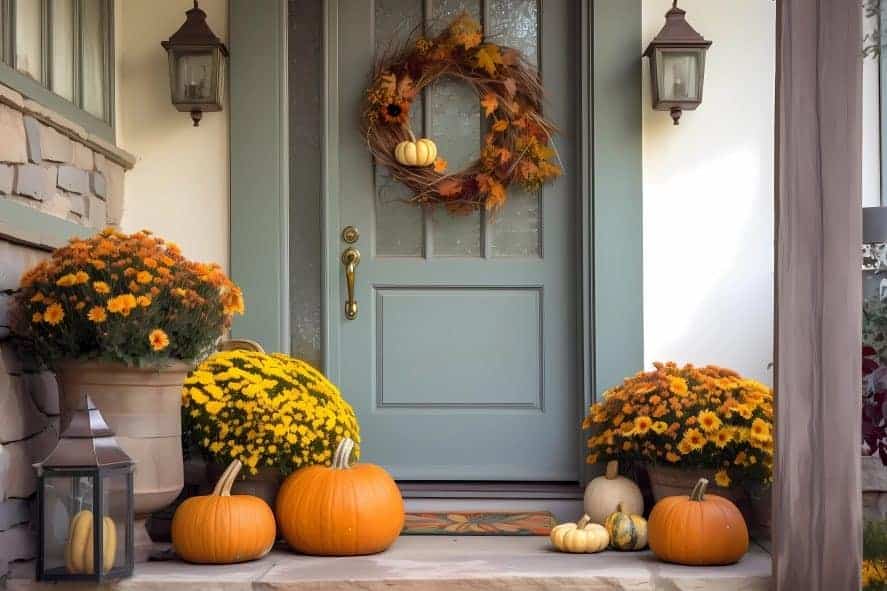
Decorate your fall with locally grown mums,
asters, pansies, pumpkins, and more from The Garden Mill!
$10 off any $50 purchase

Cannot be combined with any other offer.
Not valid on artist consignment items.
Cannot be used to purchase gift certificates.