
Let’s Get Gardening!
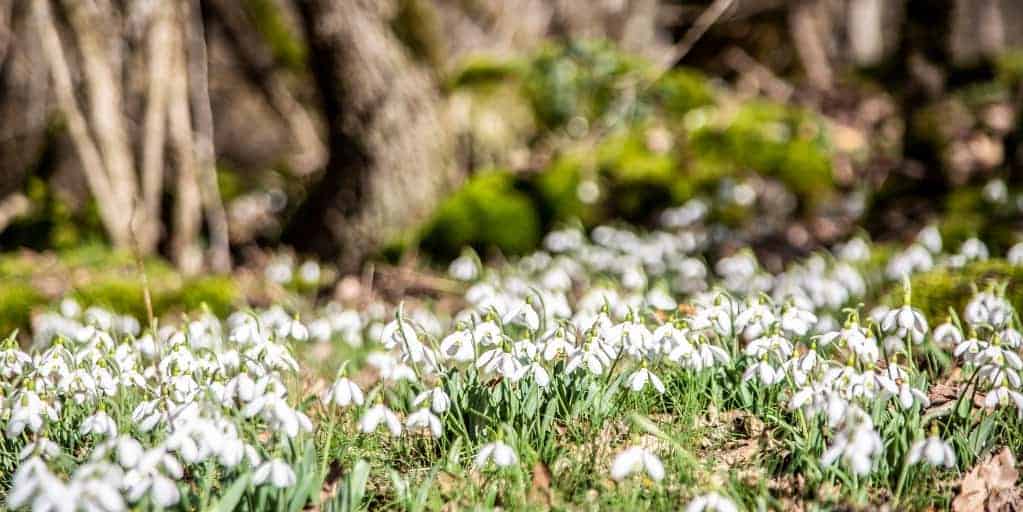
In spite of the weather the last week or so, there are definite signs of spring showing up all over – the snowdrops that come up every year in one yard I pass on my way to the store, the pussy willow I saw just the other day starting to break open in another yard, and the buds just starting to show on the silver maple and Bradford pear trees. There’s also a lot more bird activity around my yard – the juncos seem to have just recently left, and I just spotted both a wood duck pair and a merganser pair on my pond. Speaking of my pond – the frogs have been out in full force since right around the first day of Spring! They took a little break when it got so stinking cold again for a few days, but they’re back at it now. Right now, we have spring peepers, wood frogs, and chorus frogs. As the temps warm up, they’ll be joined by others – until they all get so loud you can’t hear yourself think. That’s OK, though – I love having them sing me to sleep on spring nights. If you’re not sure who you’re hearing out there, the Cable Natural History Museum, in Wisconsin, offers information on how to identify them, both by sight and sound.
Jennifer
In this month’s issue of Let’s Get Gardening
Subscribe to our monthly newsletter for seasonal gardening advice and recommendations for your garden, yard, and bird feeding.
In this month’s issue:
April is one of the best times to be a gardener (ok- it’s always great to be a gardener in my opinion, but some times are even better than others!). The promise of a new gardening season is just so exciting, and there’s so much to do.
Garden/Yard:
- Now is a good time to test your soil – before you start planting anything or adding fertilizer to established
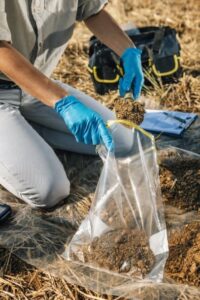 plantings. Soil conditions change over time, so it’s best to test it every year. Knowing what your soil is lacking, if anything, makes giving it what it needs to support good plant growth so much easier. Be sure to test different areas separately – don’t assume that your vegetable garden’s soil is the same as the soil in your flower beds.
 - Get your tools in gardening shape before you head out to use them this season. Sharp, clean tools make every job much easier. Have your lawn mower and other power equipment serviced so that it’s ready to go when the grass starts growing. Make sure you have what you need for the season.
- Speaking of mowing, now is a great time to think about how you will maintain your lawn over the season, and how you can help pollinators while doing so.
- April is a good time to clean up debris from the lawn, including branches brought down by the wind, and any driveway gravel that may have been plowed onto the lawn from snow plows over the winter. Getting these things done early will make lawn-mowing easier, when it’s time. Rake up leaves that are on the lawn as well.
- Apply weed preventer to your lawn this month to keep the seeds of dandelion, crab grass, and other weeds from putting down roots when they germinate.
- As the temperatures start to climb, and plants start to poke up out of the ground, pull mulch away from the
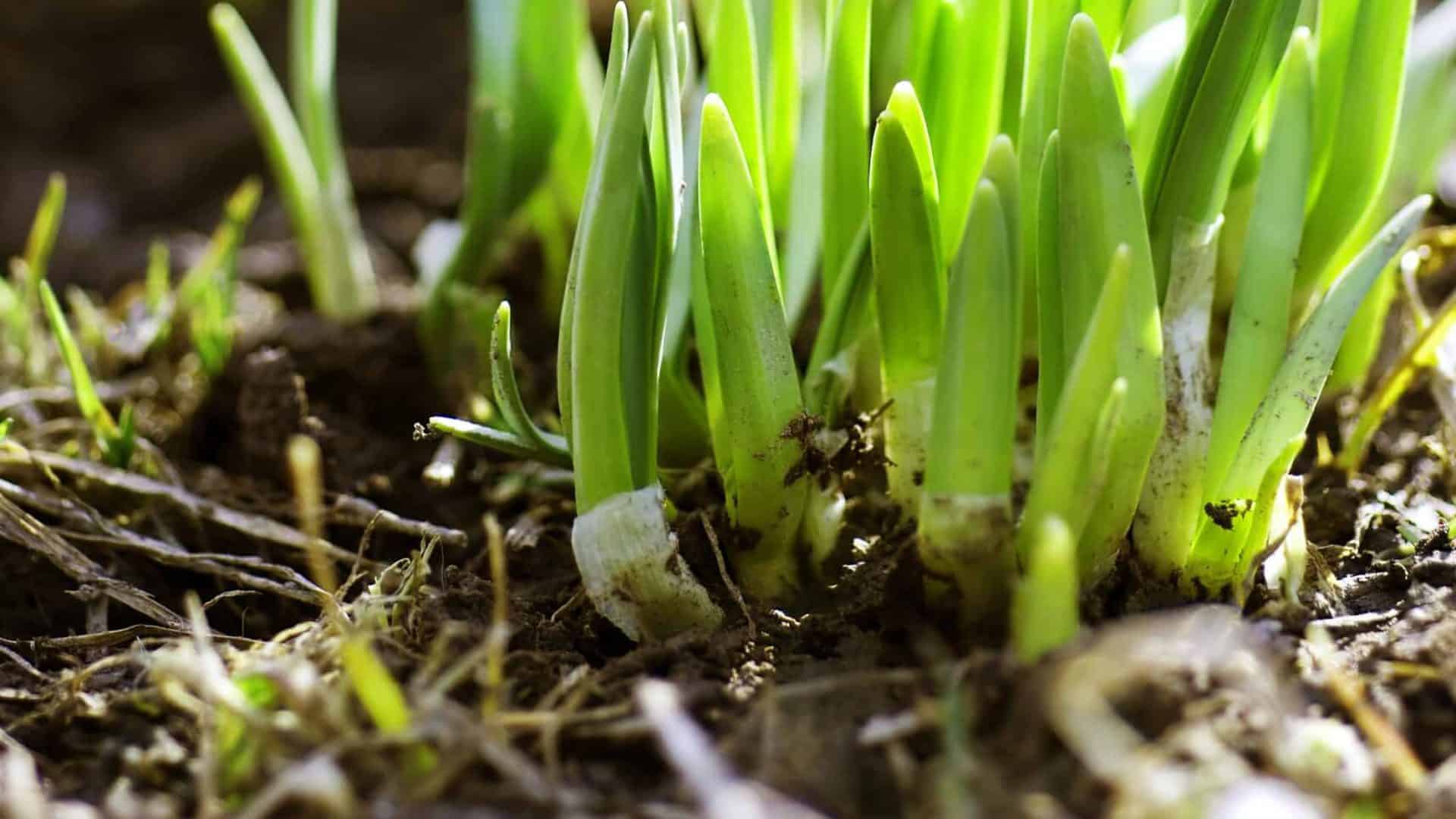 plants to help the soil warm up more quickly. Plan to cover the plants back up, with mulch or plant protection covers if temps head below freezing at night again.
 - If you didn’t cut back grasses and perennials in the fall, wait until daytime temperatures are consistently in the 50’s to do that task this spring. The reason to wait until it has warmed up is to give the beneficial insects that have spent the winter in the hollow stems and on the leaves of your plants a chance to wake up and move on. Want more tips for cleaning up in a way that isn’t harmful to beneficials? Check out this article from Savvy Gardening.
- Wait to cut back semi-woody and woody perennials until the end of the month. Tender new growth that is stimulated by pruning could be damaged by late cold snaps and frost.
- Pansies, ranunculus, and primrose can generally go in flower beds and containers outside in early April, but keep plant protection covers handy – it is Michigan, after all, and we know we haven’t seen the last of the freezing temps yet.
- Don’t be in too much of a hurry to divide perennials. Wait until after we are no longer getting frost (which is more likely in May than April, but you never know) to divide summer-blooming perennials that you didn’t get to in the fall (you can divide spring-bloomers, but they may not bloom this spring).
- Plant dormant trees and shrubs once the soil can be worked. To make sure you’re giving your trees and shrubs the best chance at survival, be sure to plant them properly
- If you’re starting veggies from seed, now is the time to start pepper and tomato seeds indoors, so they will be ready to put out in your garden in about eight weeks. Eggplant should be started in about a week. Plan to put tomato and pepper plants out in the garden around Memorial Day – by then, the nighttime temperatures are pretty consistently above 50°, and we aren’t likely to see frost again until fall.
- Once the soil is workable, peas, lettuce, and spinach can be planted in the veggie garden. Carrots, radishes,
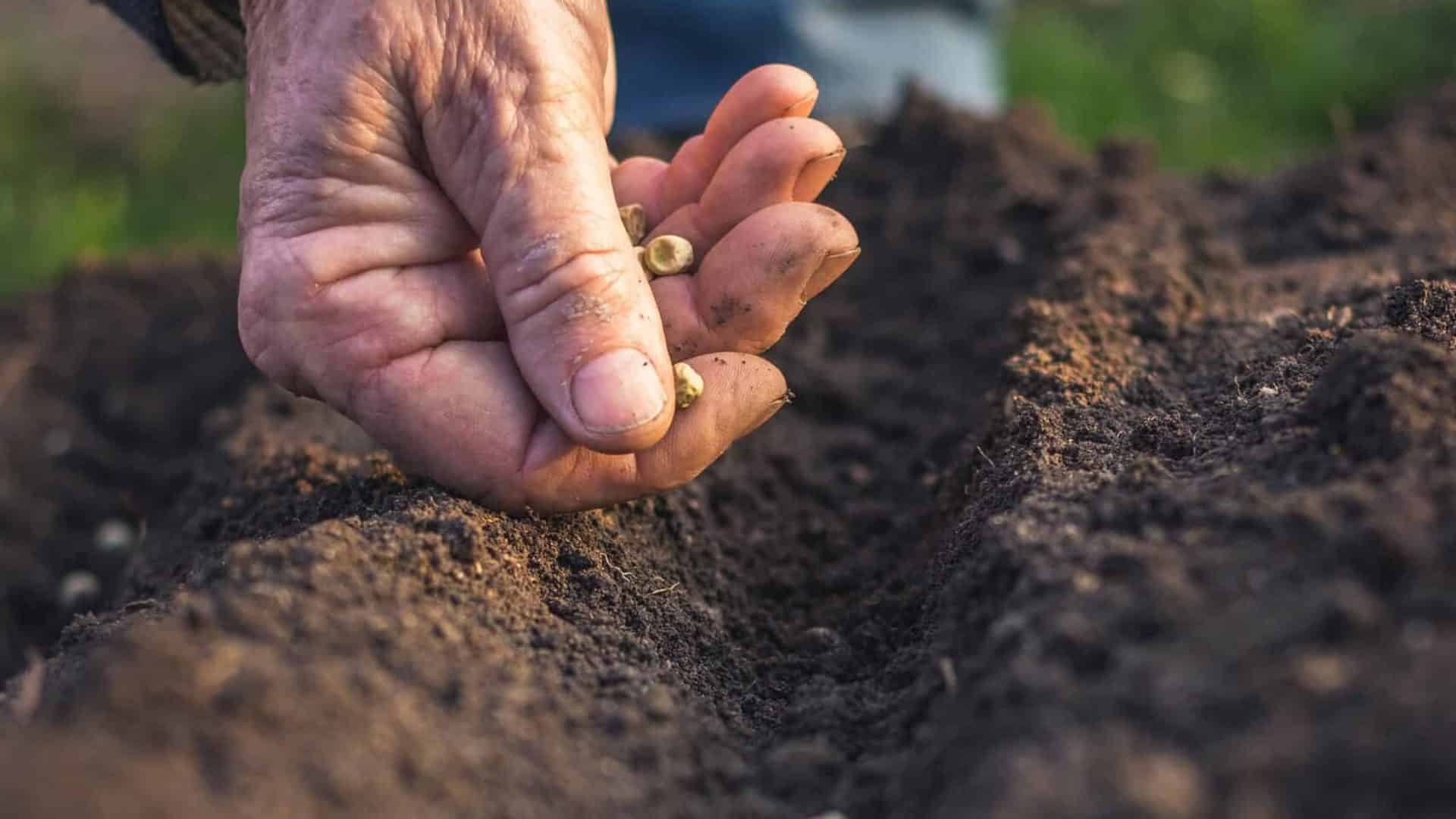 and beets can go in once the soil temperature is above 40°. I like to plant these early growers in “succession” – planting some every week or two, up until about mid-May – to spread my harvest out, so that I can enjoy them longer into the season, rather than all at once.
 - Cabbage and kale transplants, as well as onion sets, can generally go out by mid-month, as they are somewhat tolerant of frosts – just be sure to harden them off before setting them out in the garden; broccoli and cauliflower transplants, which aren’t quite as tolerant of the cold, can be set out by the end of the month.
- “Workable” soil is soil that is not frozen, and not too wet. To determine if your soil is workable, take a handful of soil and squeeze it. When you open your hand, if the ball of soil falls apart easily, with only a little pressure from your fingers, and is a bit crumbly, then it’s safe to start to work in the garden.
For the birds:
- If you have old bird houses that are in need of replacing, now is the time to do that, and to clean out existing
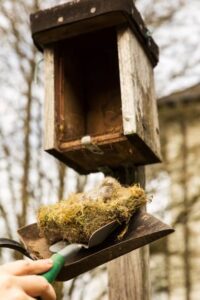 houses. Check existing bird houses before cleaning them out to make sure they aren’t already being occupied. If the nesting materials in the box look at all new and fresh, leave them – it’s an indication you already have tenants. If the materials look old, clean them out to give the birds a fresh start, and to remove any pests that might be making their home in the old nesting materials.
 - If you’re considering putting out nesting materials for your birds, be sure to check out the Audubon Society’s website to learn the do’s and don’ts first.
- I have not seen any evidence of hummingbirds or orioles in our area yet (can you blame them?!), but they’ll be here as soon as the weather warms up a little. Generally, we start seeing them in mid-April to early May.
- If you’ve ever had a bird collide with a window at your home, you know how horrible it can be – if the bird doesn’t die from the impact, it can be left vulnerable to predators as it lies hurt on the ground. There are many ways you can help prevent bird collisions with your home’s windows, and The National Audubon Society has lots of suggestions in this brochure.
- You may have heard or seen reports of “Avian Flu” being found in Michigan recently. This is not the same as the mysterious bird illness that had been reported in wild bird populations last year that caused many states to make “do not feed” recommendations for much of last summer. That illness seemed to disappear by fall and has not reappeared to-date (and it never seemed to reach Michigan).
More info on all of these tips can be found in our monthly newsletter: Read the April 2022 issue of Let’s Get Gardening
Happy Gardening!
April is Glove Sale Month!
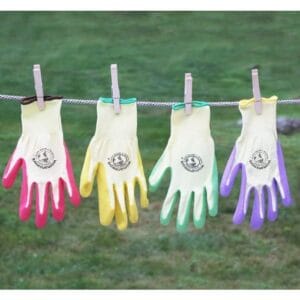
Get 10% Off All Gloves.
In Store and Online. While Supplies Last.
Cannot be combined with any other offers.
Store News & Specials
$10 off $50 purchase coupon