
I was chatting with a customer the other day, and we were – of course – talking about the weather. We agreed that the weather was just plain crazy last month. In case you missed it, we had highs in the 80’s on May 2nd. On May 10th and 11th, we had frost advisories. Then, from the 19th to the 23rd, we had temps in the high 80’s again, followed by this past weekend, when those of us in the “country” had overnight lows back down into the 30’s! Michigan weather is certainly good for one thing (if nothing else) – it gives us something to talk about!
Jennifer
In this month’s issue of Let’s Get Gardening
Subscribe to our monthly newsletter for seasonal gardening advice and recommendations for your garden, yard, and bird feeding.
In this month’s issue:
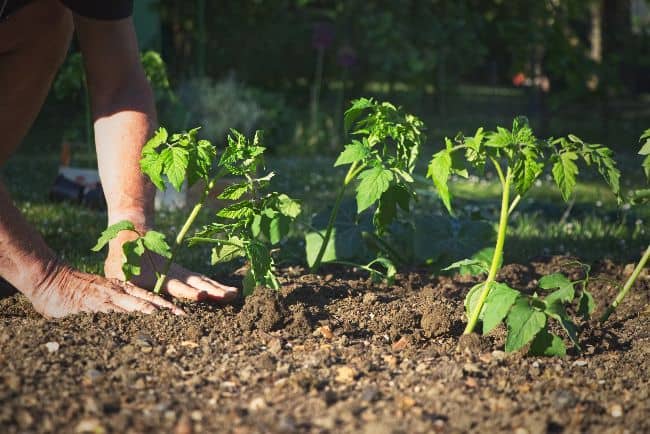
The biggest problem with the weather last month is that it made gardening difficult. Heck, it made planning for gardening difficult! I had planned to get most of my warm-weather plants into the garden sometime in the last week, but the weather made me hesitant. Temps that cold can shock our warm-weather lovers – like tomatoes, peppers, and eggplant – which slow down their growth. So, I decided to wait to plant them. And now I’m super behind! I did take much of the day yesterday to get some seeds planted, but I ran out of time to get the seedlings in, so that will have to happen sometime in the next few days. If like me, you are a little behind in your garden chores, here’s the list of to-dos to catch up on:
Vegetable Garden:
- If you haven’t gotten your warm-weather vegetable and herb plants in yet, you should do that ASAP. It looks like we should be safe to do so now, as there is no indication that temps will drop below 50 at night in the foreseeable future.
- Stake or cage your tomato plants when you are putting them in to help ensure that you don’t damage the
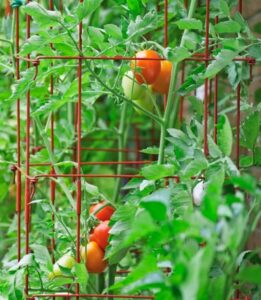 roots trying to get them in later.
 - The other thing to do as soon as you plant your tomatoes, squash, and cucumbers (and really everything else), is to begin a program of spraying your plants with fungicide. All of these plants are susceptible to many types of diseases, and the only way to deal with these issues is through prevention.
- If you haven’t already, plant some bush bean seeds now, and for the next few weeks. Bush beans produce in one big flush over a week or two, so planting some every couple of weeks into mid to late June will ensure that you have a continuous harvest all the way up to first frost.
- Cabbage and broccoli can be started at the end of the month or early July for fall harvest. Plant seeds directly into the garden, or start them indoors and transplant the seedlings into your garden by late August.
- Keep your gardens weeded. Pulling weeds out when they are small makes it much easier to get the whole thing, and keeps the weed from spreading as easily.
Flower Gardens, Trees & Shrubs:
- If you’re hoping to grow flowers and haven’t gotten those seeds or plants in the ground yet, don’t wait much longer. If you’re putting in plants, don’t forget to mulch around them when you plant.
- Be sure to pay extra attention to anything you have just planted (or are going to plant) this spring. Newly planted trees, shrubs, and perennials need to be well-watered as they are getting established, which can take as much as three years, in some cases.
- Water your container plants regularly. Soil in containers dries out much more quickly than in the ground, even more so if the containers are in the sun and exposed to the wind. Also, don’t forget that plants in containers need to be fertilized on a regular basis, mostly because you will be flushing out what fertilizer is in the soil with all the water you are giving them.
- Speaking of containers, indoor plants can benefit from spending the summer outdoors, but be sure to place them in a spot where they will be protected from winds and where they will get some filtered sun throughout the day.
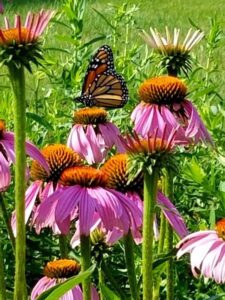
- Are you planning to do some planting of trees, shrubs, and perennials yet this year? June can be a good month to do that, especially if you or Mother Nature are sure to keep them well-watered. If you are looking for some ideas of what to plant, consider planting natives that will attract bees, butterflies, and other beneficial insects.
Birds:
- I’ve had a number of people tell me they haven’t been seeing as many hummingbirds at their feeders this year, and they can’t figure out why. My feeders have been pretty busy, and I haven’t seen anything about any issues in Michigan for them, so I’m not sure what’s keeping them away from some feeders.
- Water is just as important to your backyard birds as it is to your plants. Birds need good sources of clean
 water for drinking and bathing. If you don’t already have one, consider putting out a birdbath for your feathered friends. If you have one, make sure you keep it cleaned out and filled with water.
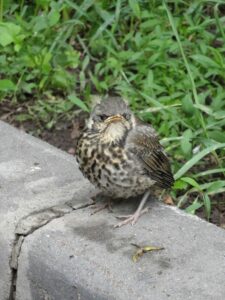
 - At this time of year, birds are busy raising their young. While you are out in your yard and garden, keep aneye out for baby birds so that you don’t inadvertently harm them.
More info on all of these tips can be found in our monthly newsletter: Read the June 2021 issue of Let’s Get Gardening
Happy Gardening!
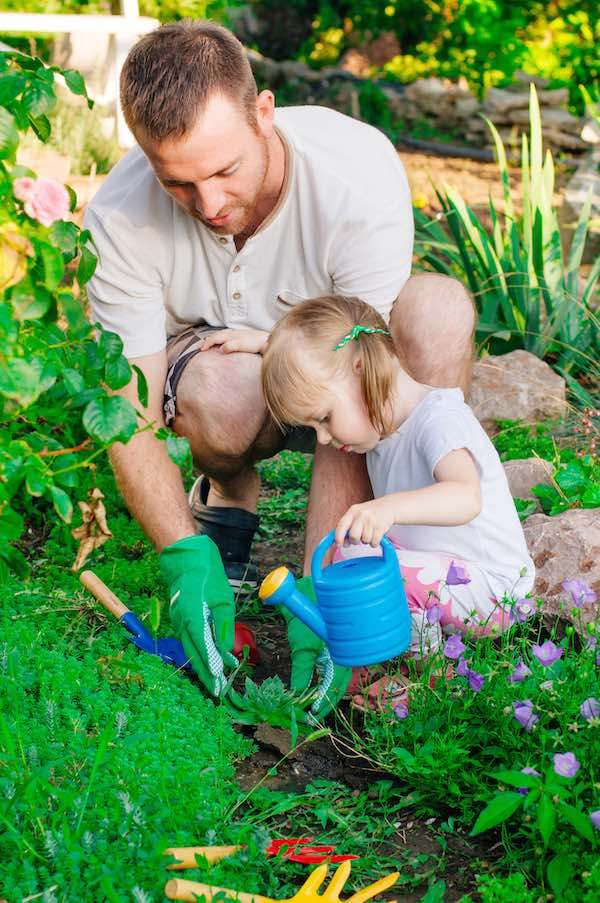
Dad probably doesn’t need another tie.
We’ve got great Father’s Day gifts Dad
will really enjoy, including garden tools, bird houses,
bird feeders, weather vanes, fire pits, and more!
Store News & Specials
$10 off $50 purchase coupon