
Let’s Get Gardening!
I haven’t heard anybody complaining about the weather we’ve been having lately – ok, yesterday wasn’t so great, but we’ll be back in the 70’s again at the end of this week! My only complaint is that I seem to have done something to my knee, which has kept me from getting any work done outdoors in this lovely weather – and there’s lots to do. I’m sure that my knee will decide to get better just as the weather decides to get all cold and nasty. Oh well, I guess I’ll just have to bundle up at that point and get out there. The work will still be waiting for me.
-Jennifer
This month’s issue of Let’s Get Gardening
Subscribe to our monthly newsletter for seasonal gardening advice and recommendations for your garden, yard, and bird feeding.
If you’re able to get outside in this lovely November weather, there are a number of things you can do:
Vegetable Garden:
- Any annual plants that you still have in your garden should be pulled out and either trashed or composted. Composting is best for anything that is not diseased. Plants with disease should just be tossed in the trash so as not
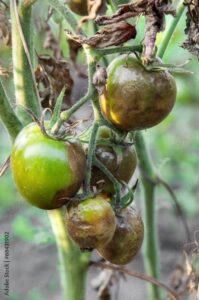 to introduce diseases to your compost. As a rule, I never compost tomatoes or potatoes because they almost always end up with blight, and I don’t want that sticking around. You also don’t want to leave any diseased plants in your garden over the winter, as that gives diseases the opportunity to stick around over the winter and show up early in your crops next spring.
 - An exception to the “pull it out now” rule would be kale, and maybe Brussels sprouts. These can take some cold weather, so you might be able to get a little more out of them yet.
- If you have perennial herbs in your garden, such as sage or thyme, give them a good layer of mulch to keep the roots protected over the winter. If any of these have shown signs of disease, cut them all the way back, so as not to leave any foliage for the disease to hold onto over the winter.
- Pull weeds and throw them in the compost pile, as long as they don’t have seed heads – you don’t want the seeds sprouting in your compost!
- Speaking of compost, if you haven’t turned your pile lately, that’s another thing to do now. While we’re still having some warmer temperatures, getting the stuff that’s on top down into the center and bottom of the pile will give it the chance to heat up and start decomposing before the cold sets in and all the heat is lost.
- If you have compost that’s ready, add it to your garden once you’ve cleaned the garden up. Till it in lightly to get it mixed with the soil, and to expose weed seed and insects. The birds will thank you!
- Plant garlic! The weather is perfect for garlic planting – days that aren’t so cold you don’t want to be outside,
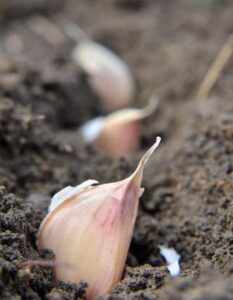 with nights that are cold enough that the soil has cooled down enough so your garlic won’t start putting out shoots before winter.
Flowers:
- Pull spent annuals this month. Compost them, as long as they are not showing any signs of disease – the same cautions about diseased vegetables apply to flowers.
- Remove weeds from your flower beds to give you a head-start next spring.
- Once the soil has cooled down, add a layer of fresh mulch to your flower beds to help protect the plants’ roots from frost heave this winter. If you have compost, add a layer to the soil before adding mulch. You don’t need to till it in – it will break down under the mulch over the winter.
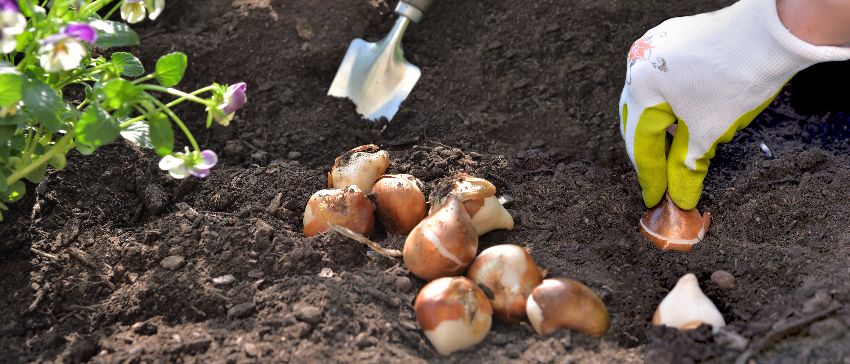
- Just like garlic bulbs in the vegetable garden, this weather is perfect for planting spring-blooming bulbs. Planting crocus, daffodils, tulips, and all the other lovely early spring bloomers now will mean a gorgeous show of color in the spring, and we’ve got a great selection at the store right now! You can see some of that selection at our online store. A larger selection and discounts are available in-store.
Trees and Shrubs:
- The only pruning of trees and shrubs that should be done between now about February is to remove dead or damaged branches. Generally, the best time to prune most trees and shrubs is in February, when they are dormant.
- While the ground is still soft, put up stakes to use to attach burlap to for wind barriers around evergreen trees and shrubs. You can wait a little bit to put the burlap up, but having the stakes in place now means you aren’t
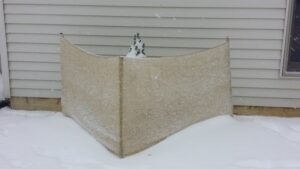 trying to pound them into the frozen ground. Placing burlap windscreens around your evergreens is much better for them than wrapping them in burlap or other protective cloth.
 - Keep hoses handy while the temperatures are still above freezing, so that you can water your trees and shrubs if we aren’t getting at least an inch of rain each week. Evergreens, especially, need to be really well hydrated before winter sets in, because they more easily lose moisture through their needles throughout the winter than trees and shrubs that shed their leaves.
- As with your flower beds, add a layer of fresh mulch to trees and shrubs, to help them get through the winter. A two- or three-inch layer of mulch is good, but don’t pile it up against the trunk.
Lawn and Leaves:
- What to do about leaves? For many reasons, leaving lots of whole leaves on your lawn isn’t good for it – they
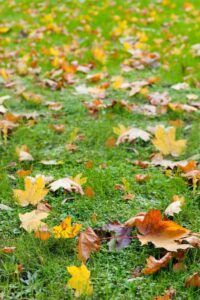 can smother the lawn, reducing growth in the spring, and they can promote snow mold, a fungal disease that can leave large, ugly patches of dead grass. There are also lots of really good reasons to leave the leaves alone – they can provide nutrients back to your soil (and therefore your grass), and they can provide overwintering habitat for lots of beneficial insects. Besides, all that raking can be bad for your back, and leaf blowers are really bad for the environment. So, if you have a lot of leaves, consider mowing them up and leaving the bits on your grass for the nutrients they can provide.
Tools:
- When you’re all done with your garden clean-up, be sure to tend to your tools. Clean, dry, sharpen, and lubricate your garden tools before you put them away so they’ll be ready to get right to work in the spring. Sharpen your shovels, too. A sharp shovel makes digging so much easier. A great way to store your shovels over the winter is to give them a good coating of oil and then stick them into a bucket of sand mixed with oil.
- Once the ground is frozen, empty hoses, roll them up, connect the ends of each hose to keep spiders from using them as nesting places, and tie them to keep them from tangling over the winter.
Birds:
- If you don’t feed your birds year-round, from now to next spring is the best time to do so. During the warmer months, the biggest source of food for most birds is insects. As it gets cold, and insects aren’t available, birds turn to vegetation for their food. But they need to eat a lot more vegetation to get the same amount of protein they get from insects, and they need at least as much protein to help them get through the cold days and nights.
More info on all of these tips can be found in our monthly newsletter: Read the November 2022 issue of Let’s Get Gardening
Happy Gardening!
17th Annual Wine, Women & Shopping

Friday & Saturday, November 11th & 12th
starting at 10:00 am
Mark your calendars now, and join us for Chelsea’s 17th Annual Wine, Women & Shopping, now expanded to two days – Friday & Saturday, November 11th and 12th! Look under “events” on our Facebook page for more information as we get closer.
$10 off any $50 purchase

Cannot be combined with any other offer.
Not valid on artist consignment items.
Cannot be used to purchase gift certificates.