
Let’s Get Gardening!
Well, apparently Mother Nature took the calendar seriously this year – the calendar said it was fall, so we got fall! We went from a high of 81° on the last day of Summer to a high of 58° the very next day (at least at my house, the cities may have made it into the 60’s), and it has stayed cool ever since. I have to admit that even I am not quite ready for the temps to be that low yet – and I like cool weather! The sudden drop in temperatures sent me scrambling to my veggie garden after I left the store on the 22nd, because the overnight forecast was for 37°, which is uncomfortably close to frost temps in the rural area where I live, and I wanted to harvest as much of my warm-weather crops as possible before they succumbed to the cold. It actually got down to 36° that night at my house, which wouldn’t necessarily have caused anything to freeze, but definitely meant the end of my basil. It also meant that we’ll be eating a lot of pickled green tomatoes this winter!
– Jennifer
This month’s issue of Let’s Get Gardening
Subscribe to our monthly newsletter for seasonal gardening advice and recommendations for your garden, yard, and bird feeding.
With the reduced temperatures we’re seeing now, and no real prospect for much of a warm-up in the forecast, the growing season for warm-weather plants in the veggie garden is pretty much over. It’s time to start your garden clean-up, if you haven’t yet. There are also lots of other things to do in your yard and gardens this month, so you might want to get started sooner rather than later!
In the vegetable garden:
- It’s time to pull most plants from the garden, if you haven’t already. Anything that is diseased should be put into garbage bags and tossed out with the trash, rather than put into compost. Some diseases won’t overwinter in our climate, but for others, you can’t count on the heat of a compost pile to kill the disease.
- If you have kale, cabbage, broccoli, peas, radishes, lettuces, or spinach in the garden still, they can stay in a bit longer, as they like the cooler temperatures. Be sure to keep row covers handy in case of a sudden dip in temperatures, especially for the lettuce. When I’m looking at the forecast for overnight temps, I use 36° as my alert to cover things up. The reason for this is that temperature readings are generally taken a few feet above ground, and forecasts are generally for populous areas – not the more rural areas, like where I live.
- We will definitely start seeing frost in our area later this month (or even later in the week), which brings one of my favorite fall chores – planting garlic! Garlic gets planted in much the same way as spring-blooming bulbs in Michigan – in the fall, after the temperatures have cooled down but before the ground has frozen. We can grow garlic that gets planted in the spring, but it doesn’t generally get as big and often just doesn’t do as well here as the varieties planted in the fall. If you are growing garlic, I don’t recommend using the stuff you buy at the grocery store, since you have no way of knowing if it is a variety that is meant to be planted in the fall or spring, and you don’t know whether it will even survive our winter. You can get great fall-planting garlic at the Garden Mill, though!
- If you still have green tomatoes in your garden, they aren’t going to ripen on their own outdoors at this point
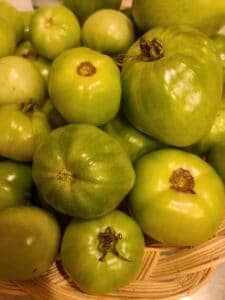 – it’s just too chilly for them. However, there are a few ways you can try to help them ripen indoors. This article from GrowVeg.com explains what to do. If you don’t feel like doing any of this, or you have tomatoes that are too small and green to bother with trying to ripen, there’s always Salsa Verde, which is traditionally made with tomatillos, but can also be made with green tomatoes, as in this recipe from the folks at Ball. Fried green tomatoes are also a really good option, but my favorite thing to do with green tomatoes is to pickle them. Whatever you do, don’t let them go to waste!
 - Some herbs, such as thyme and sage, will over-winter in your vegetable garden. Once we have gotten a killing frost, cut them back and give them a thick layer of mulch. When freezing temps really set in and the ground is frozen, cover them completely with mulch (I use straw, but any lightweight organic material will do). The mulch will help keep the soil frozen, even when we have our usual mid-winter thaw, which helps keep the roots from heaving out of the soil. If you have rosemary in your garden, take a few cuttings to root indoors. These can be the basis for next year’s garden plants. Rosemary will not make it through even a “mild” Michigan winter, and it’s not the easiest plant to grow from seed, so rooting some cuttings is a great way to have plants ready to go next spring.
- Right now is a great time to write down your thoughts about how things went with your garden this year. Did you plant too much or not enough of something? Did diseases or pests (like chipmunks) get out of control? Would some plants have done better if they had been staked or give more room to grow?
- The final chore of the gardening season, when everything is finished outside, is to clean and sharpen your tools. Doing this at the end of the season means they will be ready for you to use right away come spring – as long as you remember where you put them!
In the flower garden:
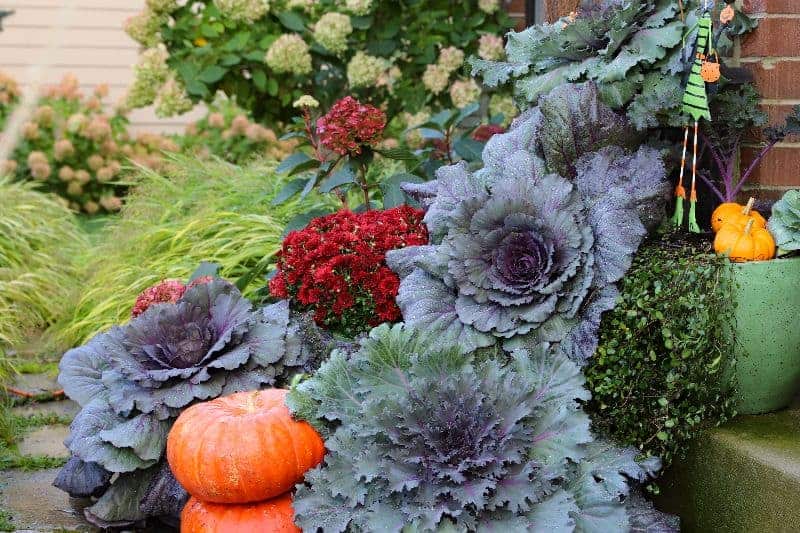
- Mums, asters, flowering kale, and other fall plants are in their full glory now and make for great fall color. Pumpkins and gourds can also really add a nice touch to your fall decorations – and we’ve got them all at The Garden Mill right now! I am often asked if mums will grow back and re-bloom next year. The answer is “maybe.” To have the best chance, make sure you buy locally grown mums that have not bloomed yet, and get them planted as early as possible so that the roots can get established before the ground freezes.
- Once we have gotten at least a couple of good frosts, it’s time to plant spring-blooming bulbs including tulips,
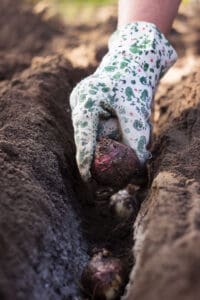 daffodils, alliums, crocus, and more. We have some of our fall-planting bulbs in now, with lots more arriving soon.
 - Time is winding down quickly for dividing and transplanting perennials. Get those tasks taken care of now, so your plants have some time to get roots down before the cold sets in. Be sure to give them a really good layer of mulch and keep them well-watered until the ground freezes.
- Once the ground freezes, mulch your perennials really well. Just like with the herbs overwintering in your veggie garden, mulch will help ensure that your flowers make it through the winter.
- I like to leave my ornamental grasses and many other perennials up for the winter and cut them back in early spring. Different plants have different requirements, but for most, it’s really up to you when to do this chore. Some reasons to leave them standing include providing a source of food for birds – the goldfinches in my yard absolutely love my purple coneflower seeds! Giving beneficial insects a place to overwinter is also a great reason to leave plants standing until spring.
Trees & Shrubs:
- Keep watering your trees and shrubs if we aren’t getting at least an inch of rain each week. The very dry July we had likely stressed a lot of trees and shrubs, unless you were vigilant about watering them – especially young and recently planted ones. Yes, we had a pretty good August and September, as far as rain is concerned, but you can’t let your guard down yet.
- There is still time to get trees and shrubs planted, but do this sooner rather than later. As with perennials, they will need some time to get their roots settled before the ground freezes. Make sure to mulch them well, and keep them really well watered all the way up until the ground freezes.
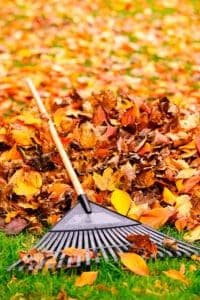
- What do you do with the leaves that fall in your yard at this time of year? As I mentioned last month, I’m not really into doing much with my leaves any more. Long ago, I would spend hours raking them into big piles and burning them. I stopped doing that many years ago, when I learned that there were all kinds of reasons not to – including the fact that doing so can remove a great over-wintering place for many insects.
Lawn:
- Keep mowing your lawn while it continues to grow, which is usually until we get a killing frost or two, but be sure to leave it a little longer at the end to protect the roots over winter – 4″ is pretty much ideal. Mulch the clippings (and the leaves) into the lawn to help add nutrients back into the ground, which in turn will help feed the lawn.
Birds:
- If you stopped feeding the birds this summer, start again now – just be sure to keep feeders well-cleaned to
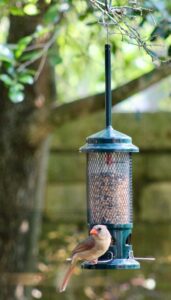 help keep the instances of avian flu down. Providing extra protein and fat, above what they can find in the wild, will help migrating birds as they journey from their summer breeding grounds to their winter homes. Keep your hummingbird feeders out for a little while yet, too – just remember to bring them in at night if the temperature is predicting to go below freezing.
 - Keep your bird baths clean and full, too. Both the local birds and the migrating ones will thank you. We all know how good it feels to have a good bath after a long trip!
More info on all of these tips can be found in our monthly newsletter: Read the October 2022 issue of Let’s Get Gardening
Happy Gardening!
17th Annual Wine, Women & Shopping

Friday & Saturday, November 11th & 12th
starting at 10:00 am
Mark your calendars now, and join us for Chelsea’s 17th Annual Wine, Women & Shopping, now expanded to two days – Friday & Saturday, November 11th and 12th! Look under “events” on our Facebook page for more information as we get closer.
Store News & Specials
$10 off any $50 purchase

Cannot be combined with any other offer.
Not valid on artist consignment items.
Cannot be used to purchase gift certificates.