
Let’s Get Gardening!
I know that many of you see the end of August as the end of summer, and you are not looking forward to winter, but I have to say – I am not sorry to see the hot, humid weather finally end! You may have heard me say it before, but I’m going to repeat it in case you missed it: I do not like hot weather at all. Not even a tiny bit. Given a choice, I will take cold weather over the stuff we’ve had for the last couple of weeks any time. I understand that it would make my favorite pastime (gardening) difficult, if we were to have too much cold weather, but life is full of little trade-offs, and I’m willing to make that one, if it means I don’t have to suffer through that beastly heat and humidity.
Ok, now that I’ve gotten that out of my system, I can look on the bright side – we seem to be cooling down. Which means that it’s getting to be time to start thinking about ending the gardening season – but not quite yet. There’s still a lot of gardening to do in September (and for me, anyway, the weather is much better for gardening in September, too!).
Jennifer
In this month’s issue of Let’s Get Gardening
Subscribe to our monthly newsletter for seasonal gardening advice and recommendations for your garden, yard, and bird feeding.
In this month’s issue:
Take advantage of the slightly cooler weather to get lots of things done in your garden this month.
In the vegetable garden:
-
- I don’t know what to say about the rain situation around here. We’ve been going from torrential downpours to hot, dry spells, and back again. It makes it hard to decide what and when to water. However, the forecast for the next week or two shows the temps staying somewhat high, with no rain of any significance in sight, so keep watering your gardens.
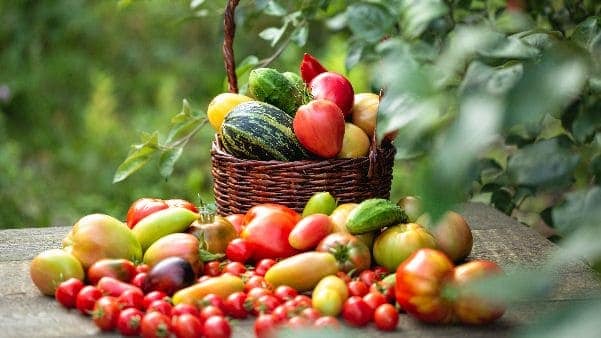
- Don’t stop harvesting your summer crops yet – zucchini, cucumbers, tomatoes, peppers, eggplant, beans, and herbs should still be going strong (if they haven’t been hit too hard by diseases).
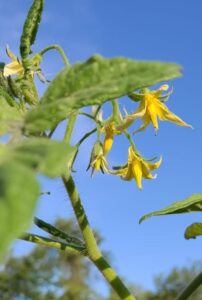
- Tomato plants are probably still putting out new flowers, but flowers that are just forming now are not going to have time to mature before we get our first frosts, and leaving them on means that your plants are spending unnecessary energy on growing those, when they really should be using all their energy to mature and ripen the fruit that is already there.
- Pull any plants that have finished producing and compost them, if they are not diseased. Throw out or burn any plants that are showing signs of disease, as it’s not likely that composting them will kill off diseases over winter, and you could just be re-introducing those diseases to your garden next year when you add your compost to the garden in the spring.
- If your plants are showing signs of disease, but haven’t fully succumbed, regular spraying of fungicide can help slow down the progression of disease and extend your harvest. If you are seeing significant disease on some of your plants (my tomatoes have pretty much given in to early blight this year, following all the rain we got earlier in the season), it is probably time to pull the plants and resign yourself to waiting until next year to try again.
Flowers, Shrubs, and Trees:
- I know some of you are ready to toss your summer flowers, and I can’t blame you. It’s been hard to keep them from just frying in the heat!
- If you have tender summer-blooming bulbs, such as begonias, dahlias, and gladiolas that you want to save for next year, they can be dug up and stored over the winter. After their foliage has died back, dig them up, gently clean them off, let them dry out, and then store them in a cool, dark, dry place for the winter.
- Divide perennials this month. Plants that have outgrown their space or are starting to fade in the center are prime candidates for digging up and moving or dividing. If you end up with plants you don’t have space for, give them away to friends.
- September is also a great time to plant new perennials, trees, and shrubs, but do so early so that the plants have time to get their roots established before cold weather sets in. Also, be sure to water newly planted trees and shrubs consistently all the way up until the ground freezes.
- Are you seeing webs of worms or caterpillars on your trees right now? Fall webworms, like the tent worms that show up in the spring, spin a web of silk that the worms feed inside of – webworm webs are found on leaves and the ends of branches, while tent worms spin their webs in branch junctions. The web protects them from predators as the worms feed.
- Be sure to clean weeds out of your flower beds before they go to seed. Weeds that are left to go to seed now mean you’ll have even more weeds to pull next spring!
- Fall-planted bulbs that bloom in spring, such as daffodils, tulips, alliums, and crocus can be planted around
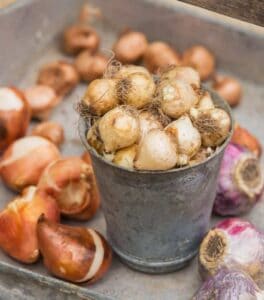 the end of the month or in early October. The ideal time to plant them is after we’ve had a few light frosts, but before the ground is frozen. Add bone meal or fertilizer specifically made for bulbs to the planting hole at the time of planting to help encourage root growth.
 - If you put house plants outside for the summer, treat them with a pesticide meant for indoor plants before bringing them back inside.
Lawn:
- If you have bare patches in an existing lawn, overseeding is the best way to fix them. Rake away or pull any dead grass and roots, then sprinkle some seed in. Adding a little bit of top soil will give the seed a better chance to take hold. Cover the area lightly with a little mulch to keep moisture in.
- Fertilize your lawn this month to encourage good root growth before winter.
- Continue to mow at a height of about 3.5 to 4 inches until we get killing frosts. Keeping your grass a little higher as we go into cold weather helps the roots have insulation against the cold this winter.
- Rake up the leaves that fall and use them as mulch or add them to your compost pile. Leaves left lying on the lawn can also promote snow mold disease. Run over them with a mower to chop them up, as whole leaves tend to mat down and can suffocate the plants you are mulching or your compost.
Birds:
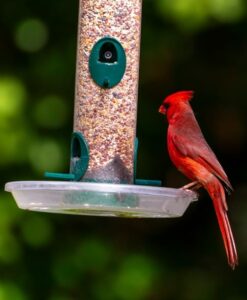
- Start feeding the birds again, if you stopped for the summer. Migrating birds will appreciate the additional food as they make their way to their winter habitat, and those who stick around will be able to build up fat reserves against the cold days and nights to come.
- Clean out bird houses that were used for nesting this summer. Removing nesting debris will give some of our over-wintering birds a place to keep warm at night during the winter.
- Keep birdbaths full and clean. Clean birdbaths are as important as clean bird feeders for keeping birds healthy. The same 10% bleach solution, with the help of a scrub brush, will kill off harmful bacteria in your birdbaths. Just remember to rinse well!
- Continue to clean and fill your hummingbird feeders. Did you know that most of the Ruby-throated hummers who call Michigan home for the summer fly all the way down to Central America for the winter, and they cross the Gulf of Mexico to get there – they don’t usually fly along the coast?! That means that they are flying non-stop for hundreds of miles!
More info on all of these tips can be found in our monthly newsletter: Read the September 2021 issue of Let’s Get Gardening
Happy Gardening!
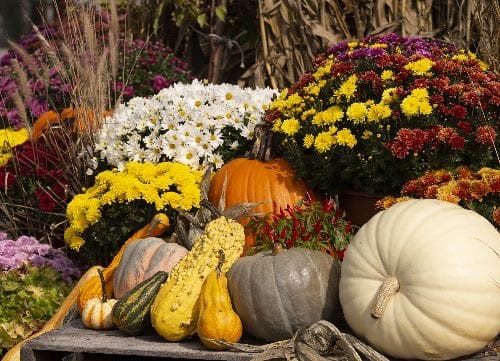
Decorate your fall with our locally grown mums,
asters, pansies, pumpkins, and more!
Store News & Specials
$10 off $50 purchase coupon