
Let’s Get Gardening!
Mother Nature sure has a sense of humor. Immediately after I said, in last month’s newsletter, that the main thing we all needed to be doing for our gardens was watering, she started sending us lots of rain! I think I only watered my vegetable garden once or twice the whole month, and didn’t water anything else in my yard at all last month. That’s quite unusual for August, when I am generally watering my veggie garden daily because of the hot, dry weather we usually have. That’s the other thing that was a little weird about this August – it wasn’t quite as hot as it usually is. It was actually downright pleasant a lot of the month! Of course, I say that as I listen to the generator grumble in the background – we have been without power since some really crazy weather ripped through here Monday evening. *last-minute edit – our power came on just as I was getting ready to hit the “send” button!
– Jennifer
This month’s issue of Let’s Get Gardening
Subscribe to our monthly newsletter for seasonal gardening advice and recommendations for your garden, yard, and bird feeding.
With summer winding down, there’s still quite a bit we can be doing, but the end of gardening season is coming up faster than I am ready for. I don’t feel like I have gotten much done at all this year. I’d better hurry up and get out there while I can!
Here are some of the things we should all be doing in our gardens this month:
In the vegetable garden:
- Many of our vegetable plants are still able to produce quite a bit yet this month, so keep an eye on the rain situation to be sure that your plants are getting the water they need to keep producing while there’s still some warmth in the air.
- I hope you have gotten more tomatoes from your plants this year than I have. I haven’t really had much of a
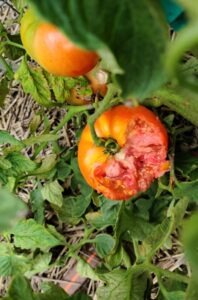 problem with diseases this year, and the weather has been great for tomato production – hot, but not too hot, and plenty of water. The problem isn’t that my plants haven’t been producing – they have put out some gorgeous fruits! However, just as they start to ripen, the little stripy rats in my yard (aka chipmunks) have been eating them. I have recently taken to pulling the tomatoes off as soon as they show any signs of ripening, and bringing them inside to let them finish just so that I might actually have some to eat! I have not yet found an effective way to keep the little stinkers away (and I really don’t like killing them, so I’m still looking for a good option, if you’ve got any good ideas!). If your tomato plants are still putting out new flowers, you should consider pinching the flowers off the plants.
 - If you have plants in your garden that aren’t producing any more, go ahead and pull them now and throw them into the compost, unless they are diseased. Because our winters are generally pretty cold, compost piles don’t tend to get hot enough over the winter here to kill off diseases.
- Consider replacing plants you have removed with late plantings of baby leaf lettuces, radishes, or spinach. You can even put kale in the first week of this month, as kale is pretty hardy and can handle some frost.
- Keep harvesting your beans, summer squash, peppers, eggplant, and cucumbers so that they will keep producing while we still have warm days.
- Continue to spray your tomatoes, peppers, squash, and cucumbers with fungicide. As the weather cools down and we get rain and even heavy morning dew, conditions are really good for disease. Regular spraying of fungicide will help slow down the progression of disease and extend your harvest.
- Keep an eye on the overnight temperatures as we head into the fall if you have basil in your garden. Basil doesn’t like temps below 50° – it will get ugly black spots that get slimy. Keep some row covers or insulation handy to cover up your basil as the temps start to fall this month. The N-Sulate product we have at the store can keep your plants as much as as 6° to 8° warmer than the air temperature, but they are lightweight enough that they won’t crush plants.
Flowers, Trees & Shrubs:
- If your annual flowers are starting to fade, pull them and replace them with mums, asters, pansies, and other
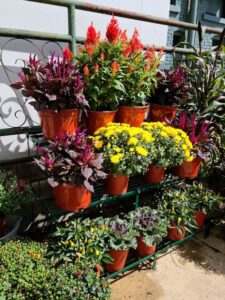 cool-weather plants for great fall color. We will start to get in our fall plants, possibly as early as next week, depending on Mother Nature. These plants all like the shorter days and cooler nights of fall, so if we have really warm temperatures, they may be a little delayed in blooming.
 - If you’ve got annual flowers in containers, and they are still going strong at the end of this month, move them under a porch or other cover at night if frost is predicted as we get further into the month.
- Tender summer-blooming bulbs, such as begonias, dahlias, and gladiolas, should be dug up after their foliage has died back, cleaned, dried and stored in a cool, dark, dry place for the winter. Cover them with peat or straw (I have one customer who uses packing peanuts – finally, a good use for them!) to keep them dry and let air circulate around them.
- Fall-planted bulbs that bloom in spring, such as daffodils, tulips, alliums, and crocus, might be able to be planted around the end of the month, but probably will be better done in October. The ideal time to plant them is after we’ve had a few light frosts, but before the ground is frozen, and that has really been getting later and later every year, do don’t be in too much of a hurry to get them planted.
- September is a great time to divide perennials that have outgrown their space or are starting to fade in the center. If you end up with plants you don’t have space for, give them away to friends.
- September is also a great time to plant new perennials, trees, and shrubs. Many garden centers have sales at this time of year, so take advantage of them, but get them planted early so that they have time to get their roots established before cold weather sets in.
- Whatever you plant, be sure to water it thoroughly from the time you plant up until the ground freezes. Until they really get established, the roots of plants, trees, and shrubs are not very good at taking water up from the soil, so you really need to keep them watered.
- Be sure to clean weeds out of your flower beds before they go to seed so you don’t end up with even more weeds next spring!
- If you put house plants outside for the summer, treat them with a pesticide meant for indoor plants before bringing them back inside.
Lawn:
- Early fall is a good time to do some thing to get your lawn in shape for spring. If you have bare patches in an
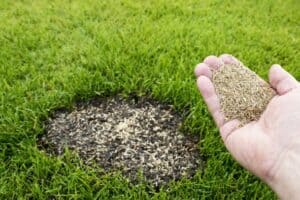 existing lawn, overseeding is the best way to fix them. Start by raking away any dead grass and roots, and then sprinkle some seed in. You can also add a little bit of top soil to give the seed a better chance to take hold. Don’t forget to cover the area lightly with a little mulch (straw works well) to keep moisture in.
 - If you have new areas that you want to turn into lawn, rake the soil up to loosen it. Spread seed, following the recommendations on the bag for how much to use for the area you need to cover. Mulch the area and keep it well watered.
- Consider de-thatching your existing lawn. This is something that most people don’t do, and maybe should, if they want a really good-looking lawn. According to the MSU extension, “Thatch is the accumulation of dead and decomposing turf stems, leaves and roots intermixed with live plant roots.”
- Fertilize your lawn early this month to encourage good root growth before winter.
- Continue to mow at a height of about 3.5 to 4 inches. Any shorter and your lawn won’t have the insulation it needs against the cold this winter. Much longer isn’t better though, as it promotes something called snow mold disease, which will leave ugly bare patches in your lawn next spring.
- I have to admit to not really caring about raking up leaves on my property anymore. First, the lawn mower seems to take care of a lot of them. Second, the wind does a great job of pushing the rest of them off of the lawn and into my flower beds, which is good for the flower beds because the leaves provide a mulch cover that slowly breaks down and feeds the soil. It’s also good for the creatures, like caterpillars, that overwinter in the leaf debris. All of this makes for a good excuse not to work so hard at raking leaves.
Birds:
- Start feeding the birds again, if you stopped for the summer. For those birds that migrate, it’s important for
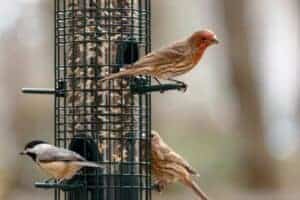 them to fuel up before they head out, as they travel very long distances and will need to depend on the extra fat they put on now. For those that stick around, building up fat reserves now will help them survive the cold days and nights to come.
 - Clean out bird houses that were used for nesting this summer. Some of your birds will use them for keeping warm at night during the winter.
- Keep birdbaths full and clean.
- Continue to fill your hummingbird feeders. Just like other migrating birds, they need to fatten up a bit before heading out on their journey south for the winter.
More info on all of these tips can be found in our monthly newsletter: Read the September 2022 issue of Let’s Get Gardening
Happy Gardening!
Store News & Specials
$10 off $50 purchase coupon

Not valid on artist consignment items.
Cannot be used to purchase gift certificates.